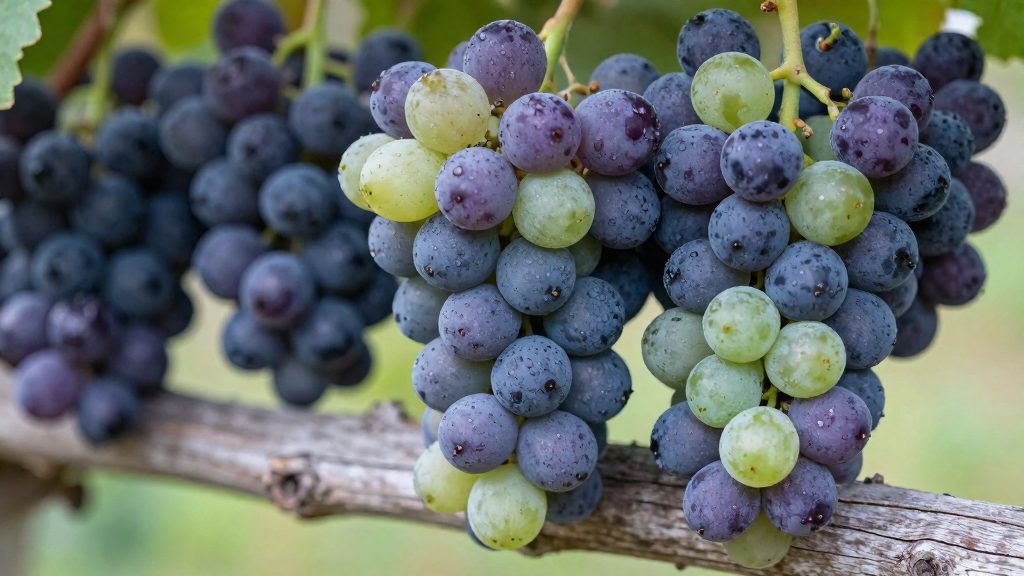
Yes, you can grow grapes in Canada, including in cold northern regions, if you choose varieties suited to short summers and harsh winters. According to Laidback Gardener (Larry Hodgson), 2018-08-03, the vines that handle these conditions best are hybrid grapevines, crosses between European grapevines and North American species. Several cultivars are rated for hardiness zones 2 to 4, so matching the variety to your zone is the first decision to make.
Can You Grow Grapevines in Canada?
Choosing Hardy Varieties
According to Laidback Gardener (Larry Hodgson), 2018-08-03, the following cultivars are rated by hardiness zone:
| Variety | Hardiness zone | Type noted in source |
|---|---|---|
| Beta | 2 | Blue/black |
| Marquette | 2–3 | Blue, among the most cold-hardy blue varieties |
| Valiant | 3 | Hybrid |
| Maréchal Foch | 3 | Hybrid |
| Vandal-Cliche | 3 | Hybrid |
| Canadice Seedless | 4 | Seedless |
| Itasca | 4 | Hybrid |
| Montreal Blue | 4 | Blue |
| Quebec Muscat | 4 | Muscat |
Check your own hardiness zone before buying, and pick a variety rated for it or colder. Make sure your zone and the variety ratings come from the same zone system.
Where to Buy Plants
Gardeners in cold regions are advised to buy from specialist fruit tree nurseries, since garden centres usually stock only a few grape varieties. Laidback Gardener (Larry Hodgson), 2018-08-03, names Hardy Fruit Tree Nursery, Corn Hill Nursery and Green Barn Farm as examples.
Site and Support
- Choose a sunny, warm spot.
- Plant in well-drained soil, such as loam or sandy loam.
- Train the vine on a fence, a pergola, or a south-facing wall (Northern Homestead).
Annual Pruning
Prune every year, preferably in autumn while the vine is dormant (Northern Homestead):
- Keep the most vigorous main stem.
- Keep two strong branches on each side of it.
- Shorten the four main branches to 2 or 3 buds each.
Winter Protection
Winter protection is what lets many vines survive cold winters (Northern Homestead):
- After pruning and before the first hard frost, water the vines.
- Lay the canes on the ground.
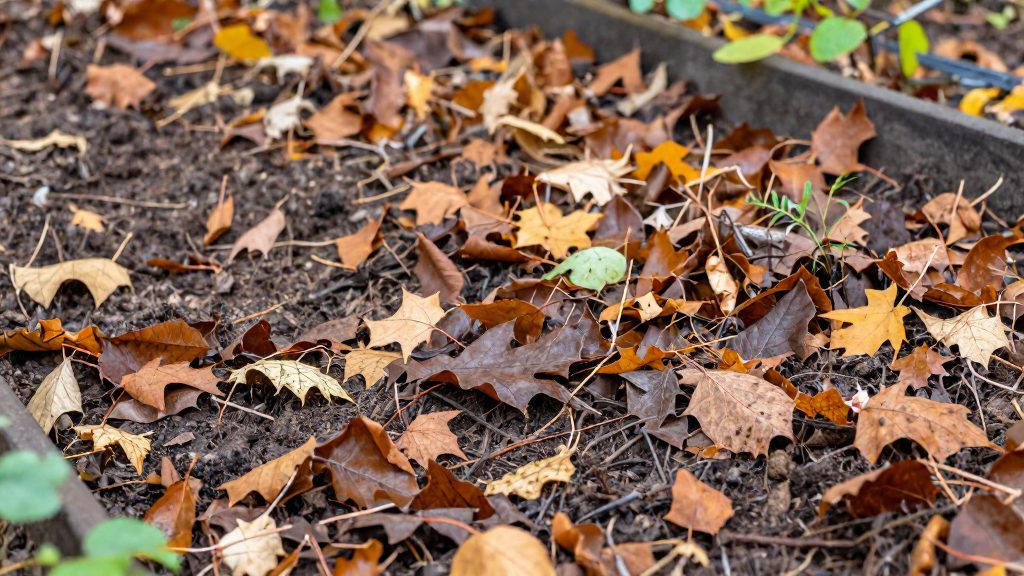
- Cover them with leaves.
- Add snow during midwinter.
- Remove the covers once the risk of frost has passed.
Organic Pest and Disease Control
Northern Homestead describes these non-chemical methods:
- Grape leafhoppers: encourage ladybirds and lacewings, which feed on them. Space vines to improve airflow.
- Powdery mildew: thin out vines that have become too dense.
Which hardy grape varieties to choose?
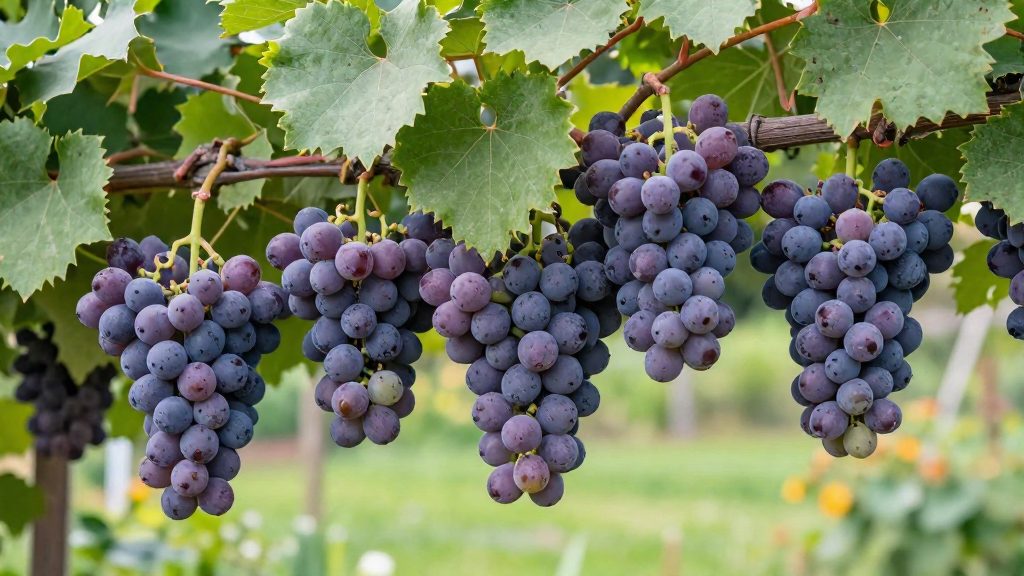
For gardens with short summers and cold winters, the most reliable choices are hybrid grapes, which are crosses between European grape vines and North American species. According to Laidback Gardener (Larry Hodgson, 2018), these hybrids handle short northern summers and cold winters better than European vines do. The cultivars below are the ones that article lists by zone rating.
| Variety | Zone rating |
|---|---|
| Beta | Zone 2 |
| Marquette | Zones 2–3 |
| Valiant | Zone 3 |
| Maréchal Foch | Zone 3 |
| Vandal-Cliche | Zone 3 |
| Canadice Seedless | Zone 4 |
| Itasca | Zone 4 |
| Montreal Blue | Zone 4 |
| Quebec Muscat | Zone 4 |
Marquette is described in the same source as one of the most cold-hardy blue grapes. Compare these ratings with your own location and choose a variety whose zone matches or is colder than your garden’s conditions.
Where to buy hardy stock
Garden centres in cold regions usually stock only a few varieties. Laidback Gardener (2018) advises Canadian gardeners in these areas to buy plants from specialist fruit nurseries, and names Hardy Fruit Tree Nursery, Corn Hill Nursery and Green Barn Farm as examples. Check each supplier’s current catalogue before ordering, since available varieties change from year to year.
Matching the variety to the site
Even a hardy variety needs a warm, sunny spot. Northern Homestead recommends a sunny, warm location with well-drained loam or sandy loam, and training the vine along a fence, pergola or south-facing wall. Winter protection still matters: the same guide describes laying vines on the ground and covering them with leaves, then adding snow in midwinter.
Where and How to Plant Grape Vines
For cold northern gardens, grape vines are chosen first for hardiness. According to Laidback Gardener (Larry Hodgson, 2018), the vines that cope best with short summers and cold winters are hybrid varieties, crosses between European grapevines and North American species. Matching the variety and the planting site to your hardiness zone matters more than any other early decision.
Choosing the Variety
Garden centres in cold regions usually stock only a few grape varieties, so buy plants from specialised fruit tree nurseries. Laidback Gardener names Hardy Fruit Tree Nursery, Corn Hill Nursery and Green Barn Farm as examples. The hardiness zones below come from the same source.
| Variety | Hardiness zone |
|---|---|
| Beta | 2 |
| Marquette | 2–3 (among the most hardy blue varieties) |
| Valiant | 3 |
| Maréchal Foch | 3 |
| Vandal-Cliche | 3 |
| Canadice Seedless | 4 |
| Itasca | 4 |
| Montreal Blue | 4 |
| Quebec Muscat | 4 |
Choosing the Site
Northern Homestead recommends a sunny, warm spot with well-drained soil, such as loam or sandy loam. Train the vine along a fence, a pergola or a south-facing wall, where it gets the most heat.
Planting Steps
- Choose the sunniest, warmest location available in the garden.
- Loosen the soil and check that water does not pool after rain.
- Install the support (fence, pergola or wall) before planting, so the young vine can be tied to it right away.
- Plant the vine and space several vines apart to allow air to circulate.
- Water after planting, and make sure water does not pool around the vine.
Annual Pruning
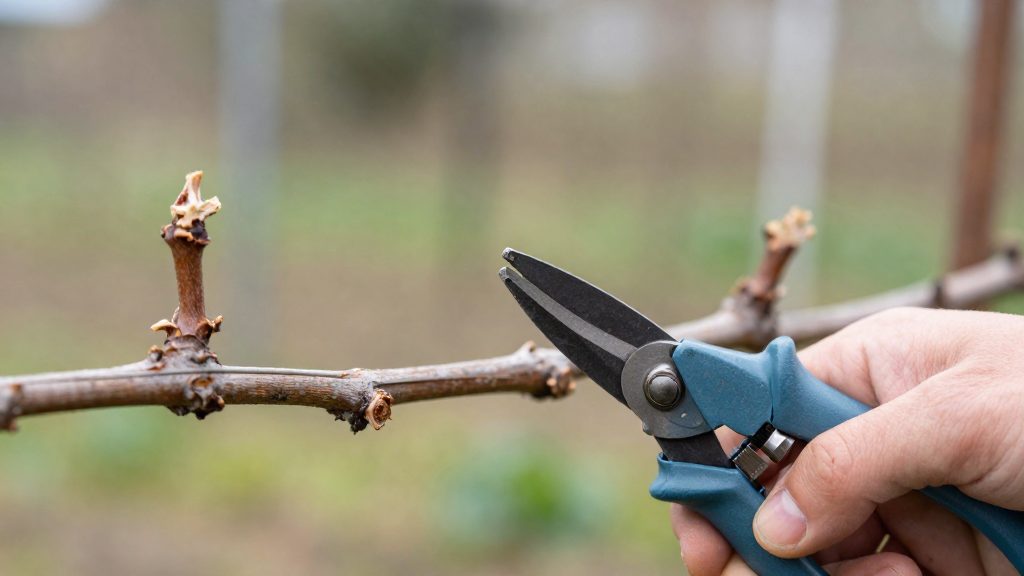
Prune every year, preferably in autumn while the vine is dormant. Keep the most vigorous main stem, then two strong branches on each side. Shorten the four main branches to 2 or 3 buds.
Winter Protection
Northern Homestead describes this sequence for cold winters:
- After pruning and before the first hard frost, water the vines.
- Lay the canes on the ground and cover them with leaves.
- Add snow over the covering during midwinter.
- Remove the covers once the risk of frost has passed.
Organic Pest and Disease Control
Northern Homestead lists these organic methods against grape leafhoppers and powdery mildew:
- Encourage ladybugs and lacewings, which feed on pest insects.
- Apply pyrethrum or neem oil early in the morning or late in the afternoon.
- Space vines to improve airflow.
- Thin out overly dense vines to reduce powdery mildew.
How to Prune Grape Vines Every Year
Grape vines should be pruned once a year, preferably in autumn while the vine is in dormancy, according to Northern Homestead. Pruning in the dormant period keeps the framework simple and sets up the vine for the following season. The method is the same for most home-garden training systems on a fence, pergola, or south-facing wall.
Pruning steps
- Keep the strongest trunk. Identify the most vigorous main stem and keep it as the trunk.
- Select the permanent branches. Keep two strong branches on each side of the trunk. This gives four main branches.
- Shorten the main branches. Cut each of the four main branches back to two or three buds.
- Keep the framework simple. Beyond the trunk and the four shortened main branches, the source gives no further pruning instructions.
| Element | Guideline from Northern Homestead |
|---|---|
| Timing | Once a year, preferably in autumn during dormancy |
| Trunk | The most vigorous main stem |
| Permanent branches | Two strong branches on each side of the trunk |
| Cut length | Two or three buds on each of the four main branches |
Pruning and winter protection
Pruning comes before winter protection. According to Northern Homestead, after pruning and before the first hard frost, the vines are watered, laid down on the ground, and covered with leaves. Snow is added in mid-winter, and the covers are removed once the frost risk has passed. The guide gives timing relative to frost rather than calendar dates, so adjust the steps to your local frost conditions.
Keeping the vine open
Dense growth holds moisture and limits air movement, which favours powdery mildew. Thinning overly dense vines is the organic response listed by Northern Homestead. Good air circulation also supports the natural predators that help with grape leafhoppers, such as ladybirds and lacewings.
Protecting the Grapevine Over Winter
In cold northern gardens, winter protection follows the annual pruning. According to Northern Homestead, the vine is pruned in autumn while dormant, then watered, laid on the ground, and covered with leaves before the first hard frost. Snow is added during the winter, and the covering is removed once the risk of frost has passed.
Winter Protection Sequence
| Step | Action | Timing (according to Northern Homestead) |
|---|---|---|
| 1. Prune | Keep the most vigorous main stem and two strong branches on each side, then shorten the four main branches to 2 or 3 buds | Autumn, while the vine is dormant |
| 2. Water | Water the vines before covering them | After pruning, before the first marked frost |
| 3. Lay down | Lay the vines flat on the ground | Before the first marked frost |
| 4. Cover | Cover the vines with leaves | Before the first marked frost |
| 5. Add snow | Add snow over the covering | Mid-winter |
| 6. Uncover | Remove the coverings | Once the risk of frost has passed |
Choosing Which Vines Need Protection
According to Laidback Gardener (Larry Hodgson, 2018), hybrid grapes, which cross European vines with North American species, are the best choice for short summers and cold northern winters. That article rates Valiant, Maréchal Foch and Vandal-Cliche at zone 3, Beta at zone 2, Marquette at zones 2–3, and Canadice Seedless, Itasca, Montreal Blue and Quebec Muscat at zone 4.
Compare each variety’s zone with the winter lows in your garden. Compare each variety’s zone with the winter lows in your garden and choose a variety rated for your zone or a colder one. Laying the canes down and covering them with leaves and snow is the winter protection step for cold-climate vines. It does not make a variety rated for a warmer zone a safe choice.
Organic Approach
Leaves and snow are natural insulating materials, so this method uses no synthetic product. Pruning comes first in the sequence: Northern Homestead has you prune, then water, lay the vines down and cover them.
Pests and diseases: natural methods
Two problems come up most often in home vineyards: grape leafhoppers and powdery mildew. According to Northern Homestead, both can be managed with biological control, timing and spacing rather than synthetic chemicals. Each method below can be applied to a small planting of vines by a home grower.
Grape leafhoppers
Northern Homestead lists three organic approaches for grape leafhoppers:
- Encourage natural predators. Ladybirds and green lacewings feed on pest insects, so favouring them helps keep leafhopper numbers down.
- Use botanical sprays at the right time. Pyrethrum or neem oil should be applied early in the morning or late in the evening.
- Space the vines. Planting with enough room between vines keeps air moving through the foliage.
Powdery mildew
Powdery mildew is addressed mainly through airflow. Northern Homestead advises thinning vines that have become too dense, so that light and air can reach the inner growth. This is a preventive step: it requires no product and costs nothing beyond time spent on the vine.
Pruning as a preventive measure
Annual pruning supports both goals. Northern Homestead recommends pruning each year, preferably in autumn while the vine is dormant. The method is to keep the strongest main stem and two strong branches on each side, then shorten the four main branches to 2 or 3 buds. A framework built this way stays more open and is easier to inspect for pests.
Summary of natural methods
| Problem | Natural method | Practical detail |
|---|---|---|
| Grape leafhopper | Encourage ladybirds and lacewings | Both are predators of pest insects |
| Grape leafhopper | Pyrethrum or neem oil | Apply early morning or late evening |
| Grape leafhopper | Spacing between vines | Allows air to circulate |
| Powdery mildew | Thinning dense vines | Improves air circulation |
Where to Buy Grape Vine Plants
Gardeners in cold Canadian regions should buy grape vines from specialised fruit nurseries rather than general garden centres, which usually offer only a few varieties. Choose cold-hardy hybrid varieties, the type suited to short summers and cold winters, and check each variety’s hardiness zone against your own before ordering.
Specialised nurseries
According to Laidback Gardener (Larry Hodgson, 2018), gardeners in cold regions of Canada should order their plants from specialised fruit tree nurseries. The article names three:
- Hardy Fruit Tree Nursery
- Corn Hill Nursery
- Green Barn Farm
Compare the catalogues of these suppliers before choosing, since variety offerings differ.
Hardiness zones of recommended varieties
The same source gives the following hardiness zones for these varieties:
| Variety | Hardiness zone |
|---|---|
| Beta | 2 |
| Marquette | 2–3 |
| Valiant | 3 |
| Maréchal Foch | 3 |
| Vandal-Cliche | 3 |
| Canadice Seedless | 4 |
| Itasca | 4 |
| Montreal Blue | 4 |
| Quebec Muscat | 4 |
Marquette is classed among the most cold-hardy blue varieties, at zones 2 to 3.
How to choose a variety
- Find your zone. Identify the hardiness zone of your region and of your garden’s most exposed spot.
- Match the zone. A lower zone number means a hardier plant. Pick a variety rated for your zone or a colder one, such as a zone 2 or 3 variety for a zone 3 garden.
- Ask about growing methods. When ordering, ask the nursery how its plants are grown and whether they are raised without synthetic treatments. Organic growers can answer this directly.
- Plan the planting site. Choose a sunny, warm spot with well-drained loam or sandy loam soil, and plan a support such as a fence, pergola or south-facing wall before the plants arrive.
Frequently asked questions
Which grape varieties should I plant if I live in a cold Canadian region?
Choose hybrid grapevines, which are crosses between European vines and North American species, and match each variety to your hardiness zone. According to Laidback Gardener (Larry Hodgson), 2018-08-03, Beta is rated zone 2, Marquette zones 2–3, and Valiant, Maréchal Foch and Vandal-Cliche zone 3. A variety rated for your zone or a colder one is the safe choice.
Where should I buy grape plants in Canada?
Buy from specialist fruit tree nurseries, because garden centres usually carry only a few grape varieties. According to Laidback Gardener (Larry Hodgson), 2018-08-03, Hardy Fruit Tree Nursery, Corn Hill Nursery and Green Barn Farm are examples to start with.
How do I protect grapevines through a harsh Canadian winter?
Before the first hard frost, water the vines, lay them on the ground, and cover them with leaves, adding snow in midwinter. According to Northern Homestead, remove the covering once the risk of frost has passed. Winter protection helps many vines survive, but it does not change a variety’s zone rating.